
ON LIVING
The Pieces We Return To
What makes a piece of jewelry become the one we reach for most often?
3 MIN READ
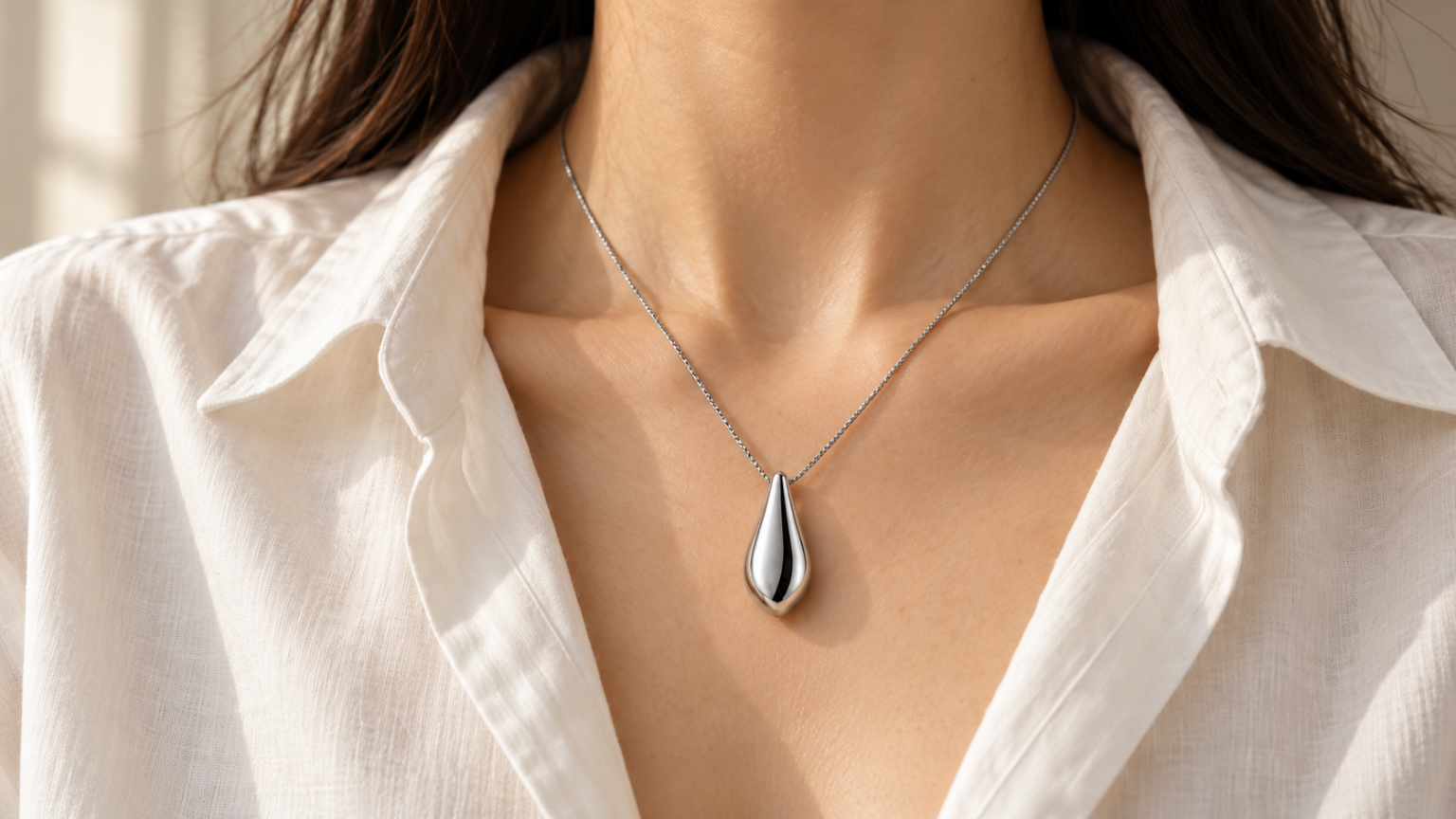
There is often one piece we put on without much thought. A pair of earrings before leaving for work. A necklace fastened while deciding what to wear. A bracelet that feels familiar against the wrist.
Other pieces stay in their boxes, waiting for an occasion. This one finds its way into an ordinary Tuesday.
It may not be the newest thing we own, or the most elaborate. Yet something about it keeps working. Over time, it becomes easier to recognise what that something is.
At first, it might be the shape. A curve that catches the eye, a proportion that looks right against the face, a small volume of silver at the collarbone. We notice it before we have a reason for liking it. Later, wearing it reveals things a photograph cannot.
Does it settle comfortably? Does it move as we move? Are we aware of it in a pleasant way, or continually adjusting it? These small experiences help determine whether a piece becomes part of the morning routine or remains an occasional choice.
There is also the question of how it lives with our clothes. A favourite piece often makes sense across several versions of a day: with a shirt at work, a simple dress in the evening, a soft T-shirt on the weekend. It brings something recognisable to each, without asking us to build an outfit around it.
That versatility can have character. A distinctive outline or an unexpected fullness can be precisely what makes a piece feel like ours. Familiarity grows around the detail we first noticed.
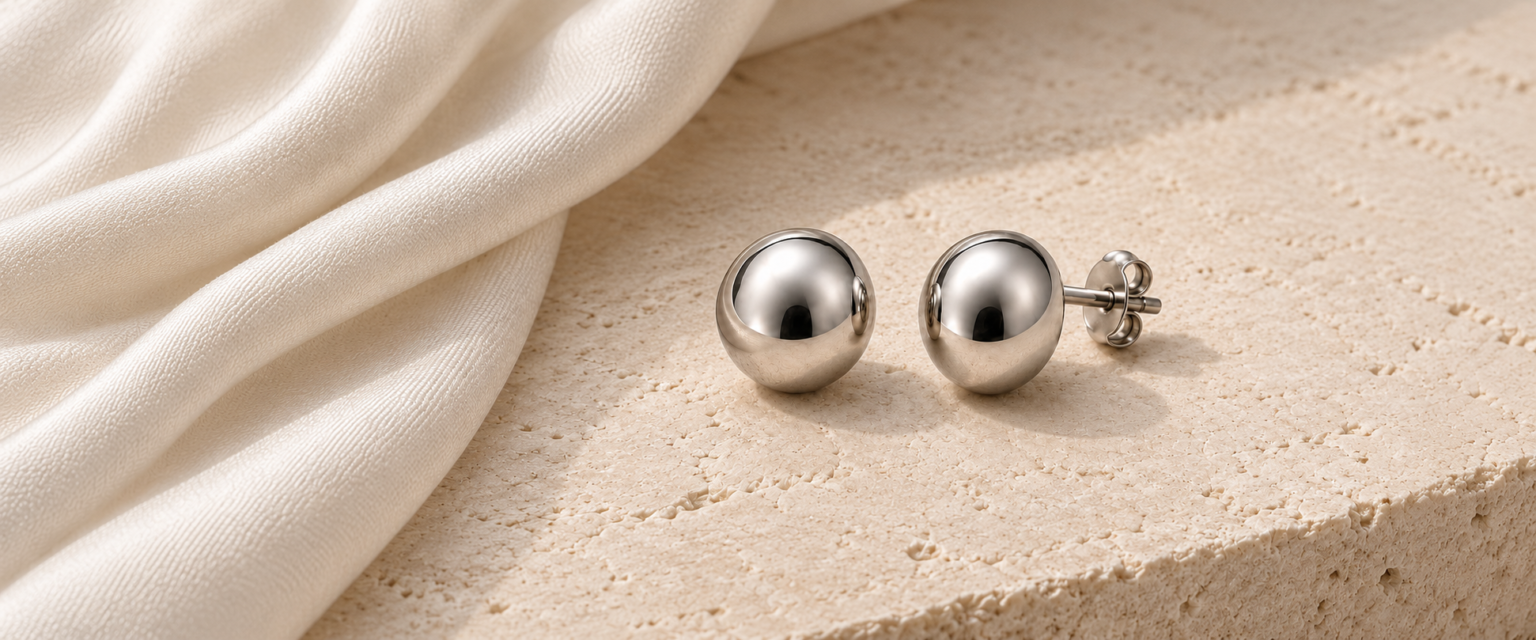
Familiarity grows through wear.
Then, gradually, memory enters.
A necklace bought to mark a change may become the necklace worn through everything that followed. Earrings chosen on an unremarkable afternoon might accompany years of dinners, journeys and hurried departures. Their significance accumulates through use, often without us noticing.
This is one of the pleasures of jewelry: an object can stay physically small while taking on a larger place in our lives. We remember how it looked in a certain photograph, who noticed it, where we were when we first wore it.
For ELYZZEA, the possibility of that familiarity begins at the design stage. Questions of shape, proportion and how a piece meets the body belong alongside the first visual impression. A piece needs to reward a closer look, and make sense when someone puts it on.
We cannot design the memories that will gather around it. We can give careful attention to the object that may accompany them.
Perhaps that is why the pieces we return to are so revealing. They show us what we enjoy wearing when there is no particular occasion to dress for. What feels comfortable, what holds our interest, what feels like us.
Tomorrow morning, we reach for them again.